
Plenary Lectures
Prof. Dr. José Francisco Palomar Herrero
Autonomous University of Madrid, Spain
Lecture topic:
Using computational modeling to explore thermodynamic challenges in chemical process development
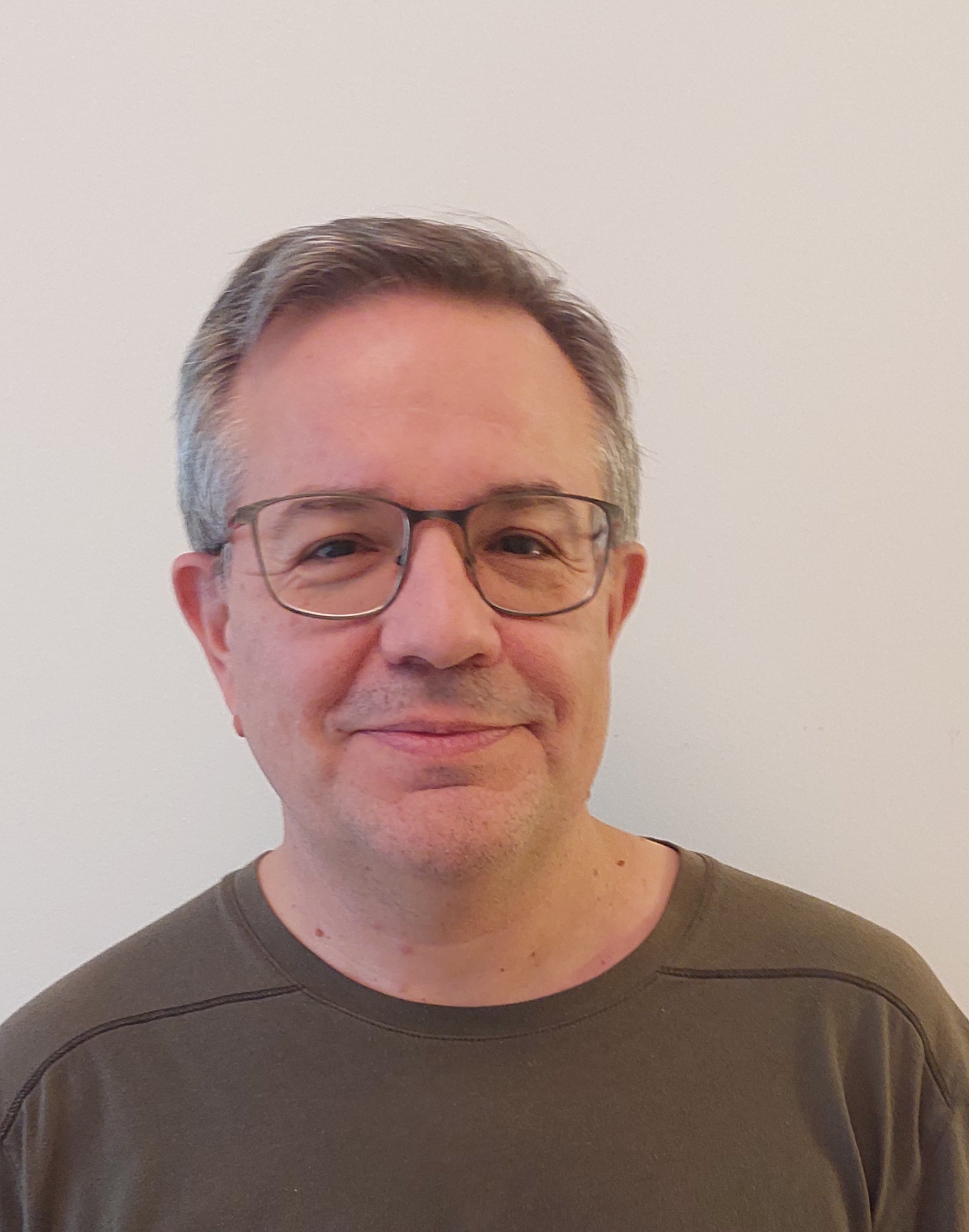
Research focus: applied mathematics and computational methods, in particular the integration of multi-scale simulation tools (from molecular design to process modeling) to optimize new chemical processes with reduced environmental impact.
Prof. Dr. Vera Slaveykova
University of Geneva, Switzerland
Lecture topic:
Environmental Fate and Impact of Engineered Nanomaterials

Research focus: speciation and bioavailability of trace elements and nanoparticles in the aquatic environment; aquatic toxicology of inorganic contaminants, nanoparticles and microplastics; transcriptomics and metabolomics; community ecotoxicology and biodiversity in aquatic systems.
Prof. Dr. Wolfgang Voigt
TU Bergakademie Freiberg, Germany
Lecture topic:
Solubility data and experiments for lithium extraction and recycling

Research focus: materials science, with particular emphasis on thermodynamics, phase equilibria, and the development and characterization of advanced materials.
Prof. Dr. Michael Steiger
University of Hamburg, Germany
Lecture topic:
Crystallization in confinement: Solubility issues related to cultural heritage conservation

Research focus: crystallization phenomena, salt weathering, and the physicochemical processes governing the deterioration of porous materials.
Assoc. Prof. Dr. Zahari Vinarov
Sofia University “St. Kliment Ohridski”, Bulgaria
Lecture topic:
The role of solubility and solubilization in pharmacy: from drug discovery to drug development
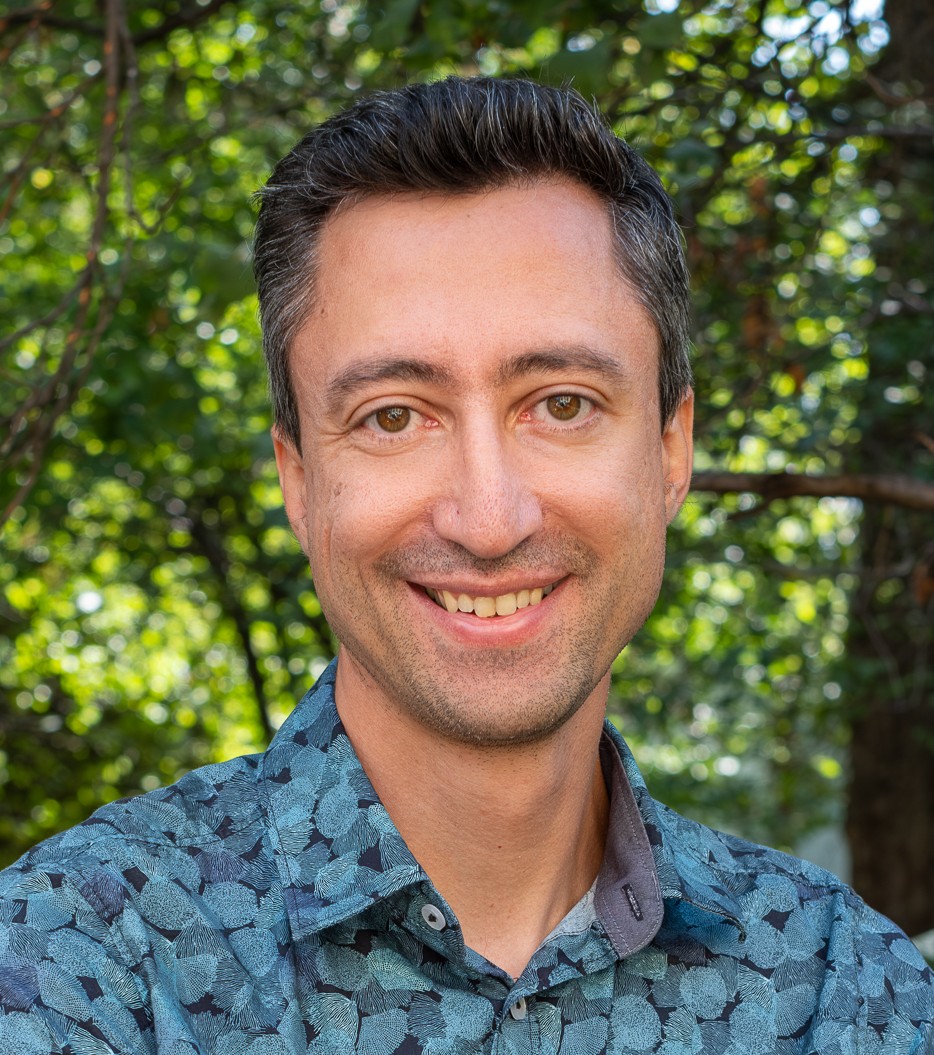
Research focus: the development and characterization of oral drug formulations, mechanisms of intestinal absorption, lipid-based drug delivery systems, and the physicochemical processes that control drug solubility and bioavailability.
Invited Lectures
Prof. Dr. María Jesús Pascual
Institute of Ceramics and Glass, Spanish National Research Council (CSIC), Madrid, Spain
Lecture topic:
Corrosion of borosilicate glasses in molten salts

Research focus: the science and engineering of advanced glass and glass-ceramic materials, fundamental materials science, and practical applications in energy and photonics.
Peter K. Petrov
Department of Materials, Imperial College London, UK
Lecture topic:
Nanostructured Titanium Nitride Thin Film Arrays for Photocatalytic Applications
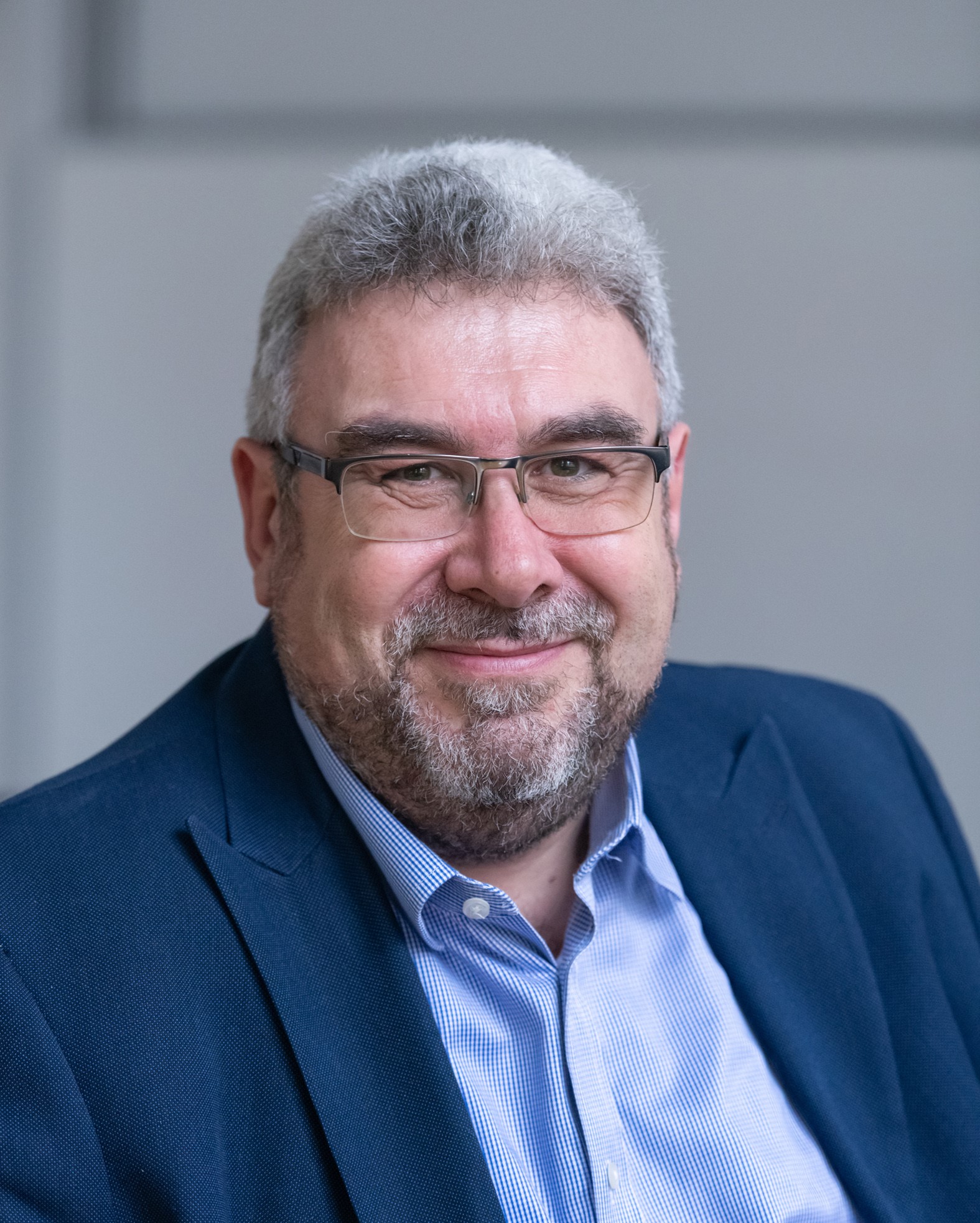
Research focus: development and characterization of advanced functional oxide and nitride thin films, microfabrication technologies, and nanostructured materials for applications in photonics, electronics, energy harvesting, biosensing, and sustainable technologies.
Oral Presentations
Clemente Bretti
Università degli Studi di Messina, Italy
Study on the coordination of N-hydroxyamides with iron(II) and iron(III)
Andrija Vukov
University of Novi Sad, Serbia
Mycellarization behaviour of newly synthesized surfactant nicotine-based ionic liquids
Nese Cevirim-Papaioannou
Institute for Nuclear Waste Disposal, KIT, Germany
Stability and solubility of Fe(II)-CO3 phase
Ivayla Pantcheva
Sofia University “St. Kliment Ohridski”, Bulgaria
Solution behaviour of Ni(II) mixed-ligand complexes containing polyether ionophore and glycin
Simão Pedro Pinho
CIMO–SusTEC, IPB, Portugal
Salt Effects on Amino Acid Solubility: Experimental, Molecular, and Data-Driven
Glenn Hefter
Murdoch University, Australia
Dielectric Spectroscopy and the ‘Wicked’ Problem of Electrolyte Solubilitie
Paul Fürst
Karlsruhe Institute of Technology, Germany
Solubility, Speciation, and Thermodynamic Modeling of Fe(II) in Repository-Relevant Systems from Near Neutral to Hyperalkaline Conditions
Earle Waghorne
University College Dublin, Ireland
Solvent Parameters from Computational Chemistry
Christian Kiefer
Karlsruhe Institute of Technology (KIT), Germany
Thermodynamic Reference Database (THEREDA): Pitzer Activity Model for Tc(IV) Solubility and Complexation in the Tc(IV)–Na+–Cl−–HCO3−–CO32−–OH−–H2O(l) System
Jiangping Liu
OLI Systems, LLC, USA
Thermodynamic Modeling of Rare Earth Solvent Extraction
Miriam Domingues Guimarães
University of Aveiro, Portugal
Machine learning-driven screening of solvents for sustainable polylactic acid recycling
Tatjana Verbić
University of Belgrade, Serbia
Understanding Drug Salt Solubility: Mechanistic Complexities and Practical Approaches
Olivera Marković
University of Belgrade, Serbia
Tricyclic antidepressants solubility study: Role of Competing Counterions in Aggregation and Solid-Phase Transformations
Mónia Martins
CIMO–IPB, Portugal
Green chemistry solutions for antimalarial drug extraction and solubility enhancemen
Silvana Mattedi
Federal University of Bahia, Brazil
Menadione’s solubility in fatty acids predicted by the COSMO-SAC CS25 mode
Yordan Georgiev
Burgas State University “Prof. Dr. Assen Zlatarov”, Bulgaria
Phytochemical composition and in vitro inhibitory activity of herbal extracts against medically relevant enzymatic biological systems
Viktoriya Smilkova
Burgas State University “Prof. Dr. Assen Zlatarov”, Bulgaria
Isolation, chemical characterization and modification with ferric ions of natural prebiotic herbal polysaccharide
Anastasiia Kuzenkova
Lomonosov Moscow State University, Russia
How cation composition controls the structure and solubility of Pu(V) and Np(V) double carbonates
Antonina Kovacheva
Institute of General and Inorganic Chemistry, BAS, Bulgaria
Chemical equilibrium models for calculation of metal chemical species in different type surface waters
Bence Kutus
University of Szeged, Hungary
Synthesis of lithium hydroxide using barium hydroxide
Inês C. M. Vaz
CICECO – Aveiro Institute of Materials, University of Aveiro, Portugal
Understanding and quantifying the thermodynamics of lanthanide extraction in hydrophobic eutectic solvents
Lama Mzek
University of Chemical Technology and Metallurgy, Sofia, Bulgaria
Ligand–Diluent Interplay in the Extraction and Separation of Fe(III) by β-Dicarbonyl N-Heterocyclic Chelators
Ivaylo Tankov
Burgas State University “Prof. Dr. Assen Zlatarov”, Bulgaria
Catalytic, electronic and spectroscopic properties of imidazolium hydrogen squarate